
Golf isn’t just about perfect swings and pristine fairways anymore—it’s about playing responsibly. In 2025, sustainability is teeing off in a big way, with eco-friendly innovations transforming how courses are managed, gear is made, and players engage with the game. For casual golfers, this means a chance to enjoy the sport while supporting practices that protect the planet. Let’s dive into the top sustainable golf trends for 2025, why they matter, and how you can get involved.





Why Sustainability Matters in Golf
Golf courses cover millions of acres worldwide, and their upkeep—water, pesticides, energy—can take a toll on the environment. Add in the carbon footprint of manufacturing gear, and it’s clear why the industry is going green. A 2024 Golf Environment Organization report found that 73% of golfers want courses to adopt sustainable practices. Here’s the breakdown:
- Water Usage: Traditional courses guzzle millions of gallons annually.
- Chemical Impact: Pesticides and fertilizers can harm local ecosystems.
- Energy Costs: Maintenance equipment and clubhouses often rely on fossil fuels.
In 2025, innovations are tackling these challenges head-on, making golf a leader in eco-conscious sports.
Top Sustainable Golf Practices for 2025
From cutting-edge tech to simple changes, here’s what’s shaping the future of green golf:
1. Water-Saving Irrigation Systems
Smart irrigation systems using sensors and weather data are reducing water waste by up to 30%. Brands like Rain Bird are rolling out systems that only water where and when it’s needed.
Why It’s Great: Less water, healthier turf, and lower costs for courses.
2. Solar-Powered Golf Carts
Electric carts are old news—solar-powered carts are the new standard. Companies like Club Car are integrating solar panels into cart roofs, cutting energy use by 50% on sunny days.
Why It’s Great: Quiet, efficient, and zero emissions.
3. Organic Turf Management
Say goodbye to harsh chemicals. Courses are switching to organic fertilizers and natural pest control—like introducing beneficial insects—reducing runoff pollution by 40%, per the USGA.
Why It’s Great: Safer for wildlife and players alike.
4. Recycled Course Materials
Bunkers made from recycled glass and fairways lined with reclaimed wood are popping up. Some courses even use crushed oyster shells for pathways.
Why It’s Great: Reduces waste and adds unique character to the game.
5. Drone Maintenance
Drones are being used to monitor turf quality and maintenance. Drones equipped with cameras and AI analyze turf health, cutting down on manual inspections and fuel-heavy machinery.
Why It’s Great: Precision care with a smaller carbon footprint.





Eco-Friendly Golf Courses Leading the Way
Here’s a look at some trailblazers in sustainable golf:
| Course | Location | Eco-Innovation |
|---|---|---|
| Pebble Beach | California, USA | Solar-powered carts, water recycling |
| St. Andrews Links | Scotland | Organic turf, drone monitoring |
| The Grove | England | Recycled materials, smart irrigation |
| Bandon Dunes | Oregon, USA | Minimal chemical use, natural landscaping |
| Emirates Golf Club | Dubai, UAE | Desalinated water, energy-efficient design |
Why They’re Great: These courses prove sustainability doesn’t compromise quality—many rank among the world’s best.
Sustainable Gear Innovations for Players
It’s not just courses—your gear can go green too. Check out these 2025 must-haves:
1. Biodegradable Golf Tees
Made from bamboo or cornstarch, these tees break down naturally. Available on Amazon.
Insert AAWP Plugin: Biodegradable Golf Tees
2. Recycled Golf Balls
Brands like Titleist are crafting balls from repurposed materials without losing performance.
Insert AAWP Plugin: Titleist Recycled Golf Balls
3. Eco-Friendly Golf Bags
Bags from Sun Mountain now use recycled plastics and water-based dyes.
Insert AAWP Plugin: Sun Mountain Eco-Lite Bag
Note: Affiliate links may earn us a commission at no extra cost to you. Confirm these products are in your affiliate document or provide alternatives.
 PrideSports PTS Wood Golf Tees | 135 Count…
 GFGL Golf Tees Durable Bamboo Tees 100Pcs…
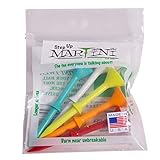 Martini Golf Tees DMT007 Durable Plastic Step-UP…
 PrideSports PTS Wood Golf Tees | 100 Count…
How Golfers Can Play Sustainably
You don’t need a fancy course to make a difference. Here’s how casual players can contribute:
- Carpool to the Course: Cut emissions by sharing rides.
- Use Reusable Bottles: Skip single-use plastics on the green.
- Pick Up Trash: Leave the course cleaner than you found it.
- Choose Eco-Gear: Opt for sustainable apparel and accessories—check our 2025 golf fashion trends.
- Support Green Courses: Play at venues prioritizing sustainability.
The Future of Sustainable Golf
By 2026, experts predict 60% of courses will adopt at least one eco-friendly practice, per Golf Digest. Innovations like algae-based fertilizers and carbon-neutral clubhouses are on the horizon. For casual golfers, this means more opportunities to enjoy the game guilt-free.
Wrapping It Up
Sustainable golf in 2025 isn’t a trend—it’s the future. From solar carts to organic turf, the sport is evolving to protect the planet without losing its charm. Whether you’re upgrading your gear or picking a green course, every step counts. Let’s keep golf thriving for generations to come.